Opening remarks by the newly appointed President
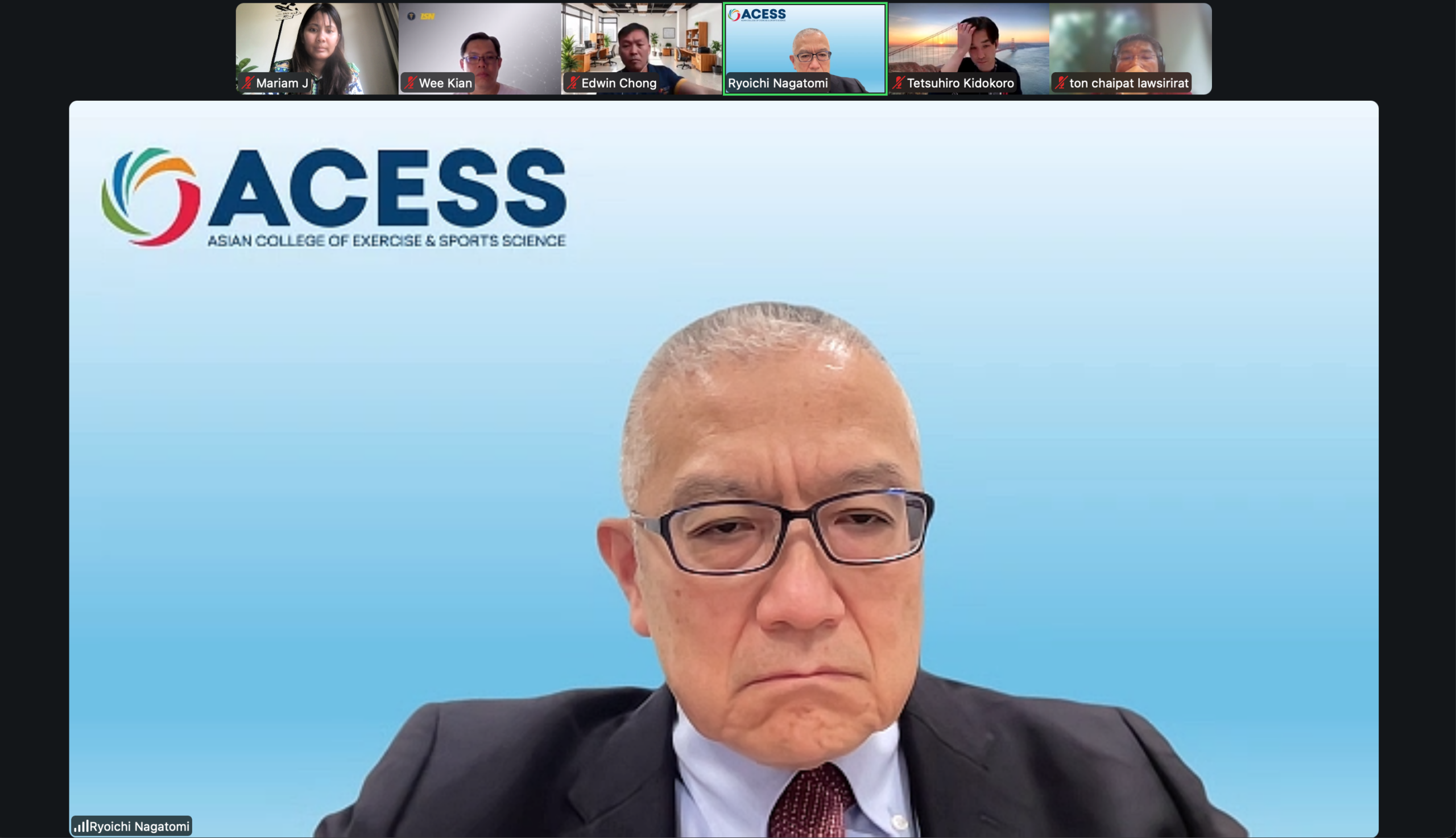
The AGM opened with a special address by the newly appointed President, Dr. Ryoichi Nagatomi. In his remarks, he reiterated ACESS’s mission to advance sports science across Asia, highlighting how the organisation’s emphasis on building strategic alliances has been instrumental in achieving this goal. As part of this approach, ACESS successfully forged new partnerships this year with Liaoning Normal University and Universitas Pendidikan Indonesia.
Dr. Nagatomi expressed his hope that these collaborations would continue to grow and generate mutual benefits for all parties involved. He also took the opportunity to express his sincere appreciation to the outgoing committee for their dedication and efforts in bringing ACESS to its current standing.
He further emphasized the importance of strengthening evidence-based practices across Asia, while recognising regional diversity and underscoring the critical role of technology and research in advancing sports science.
Membership Trends
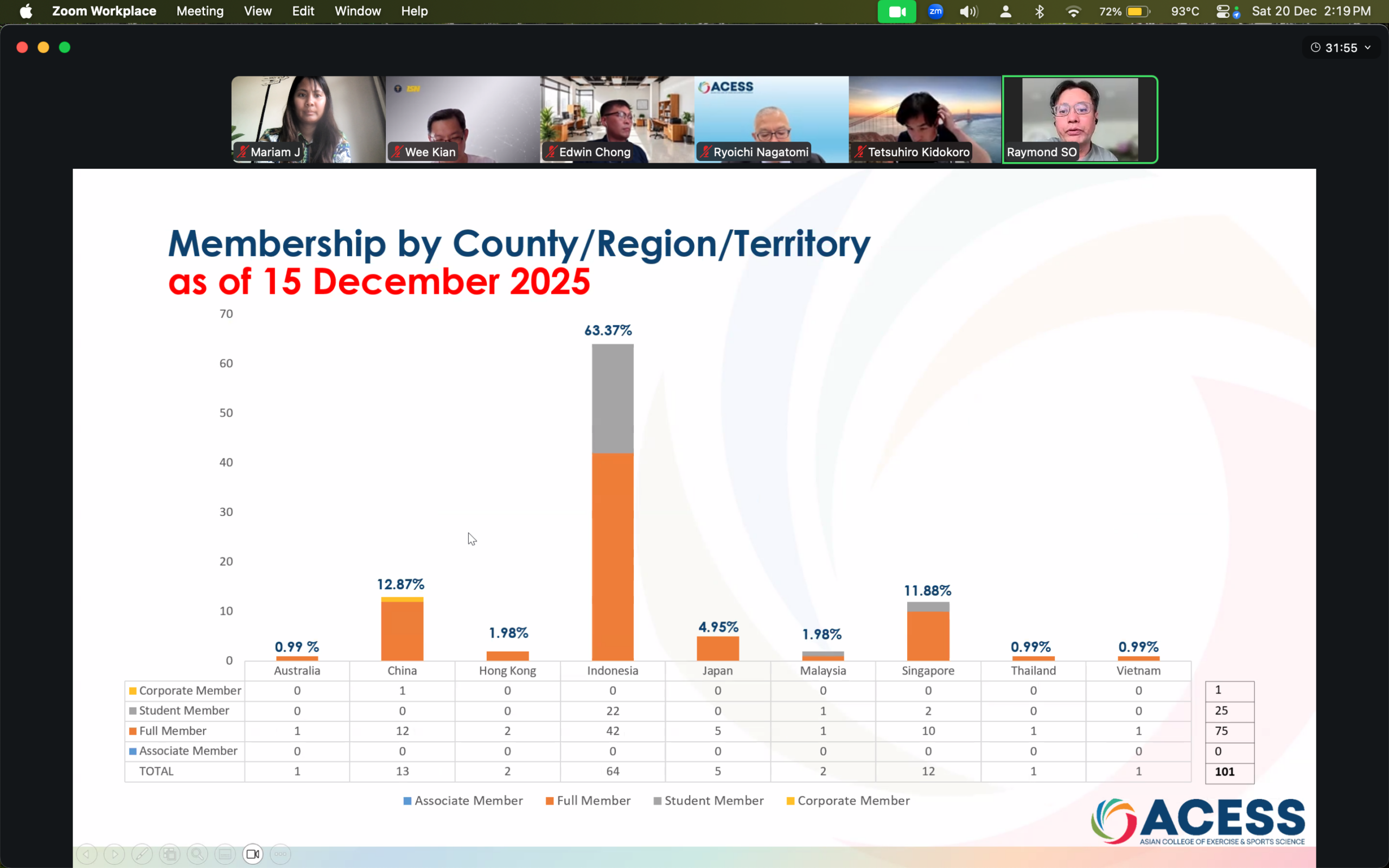
Dr. Raymond So shared the current membership landscape and renewal outlook. While full membership remains stable, the discussion highlighted valuable opportunities to re-engage and grow student membership in the coming period. Attention was also given to an upcoming wave of membership renewals, with 47 memberships due to expire this month and a further 13 in June 2026, allowing the committee to proactively plan retention and outreach efforts.
Travelling Fellowship Programme
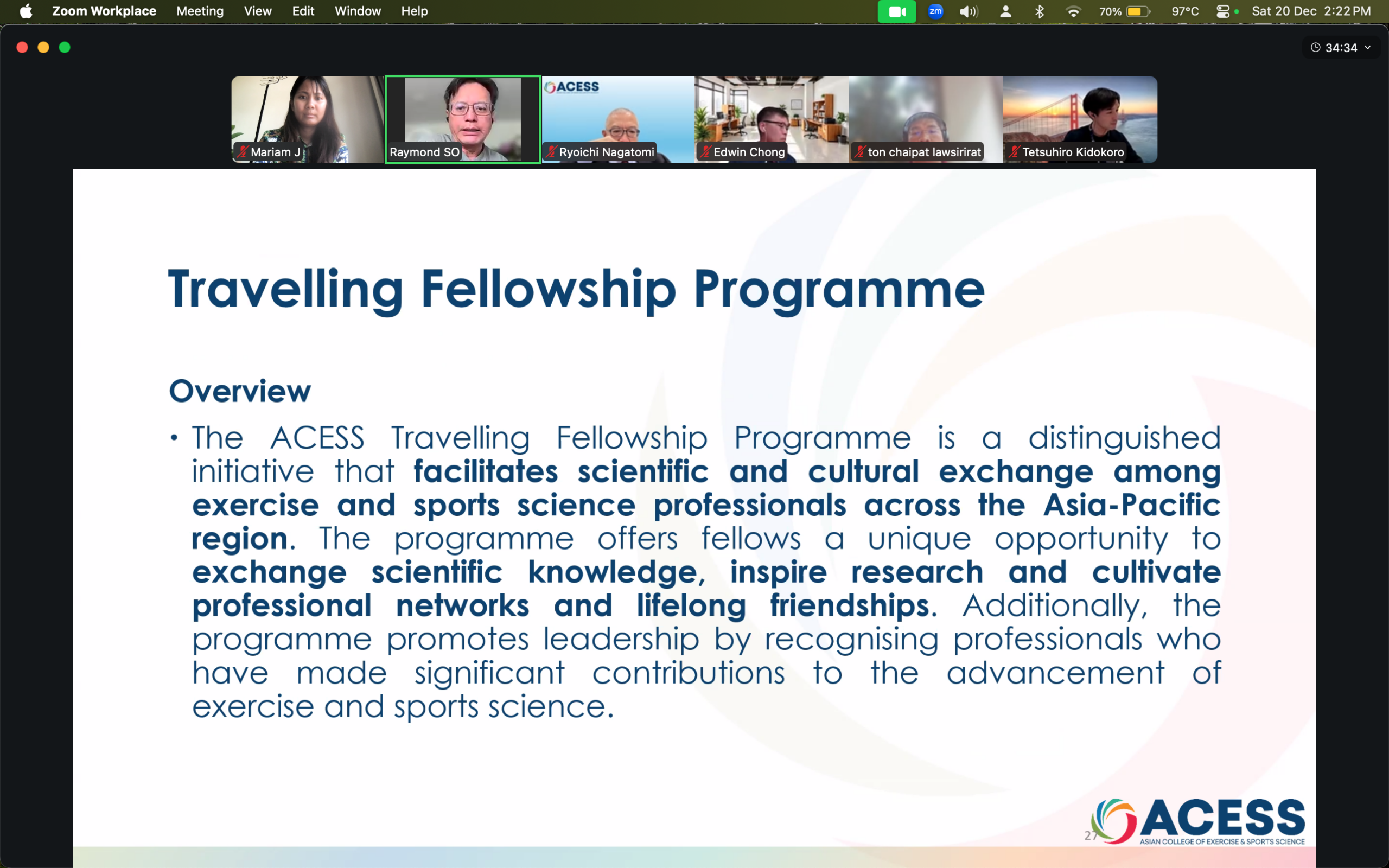
To help grow student membership, Dr. Chaipat Lawsirirat hoped that the new launch of the Travelling Fellowship program will help attract more students to be part of ACESS. The fellowship program, which aims to promote academic and cultural exchange among young scholars across Asia, was awarded in October 2025 to Dr. Tsubasa Shibaguchi (Kanazawa University) following an outstanding presentation at the UPI–ACESS Joint Symposium.
The program plans to support 1–3 fellows annually, enabling them to visit facilities and attend conferences with travel and accommodation costs fully covered by the organisation.
Education and Forum Report
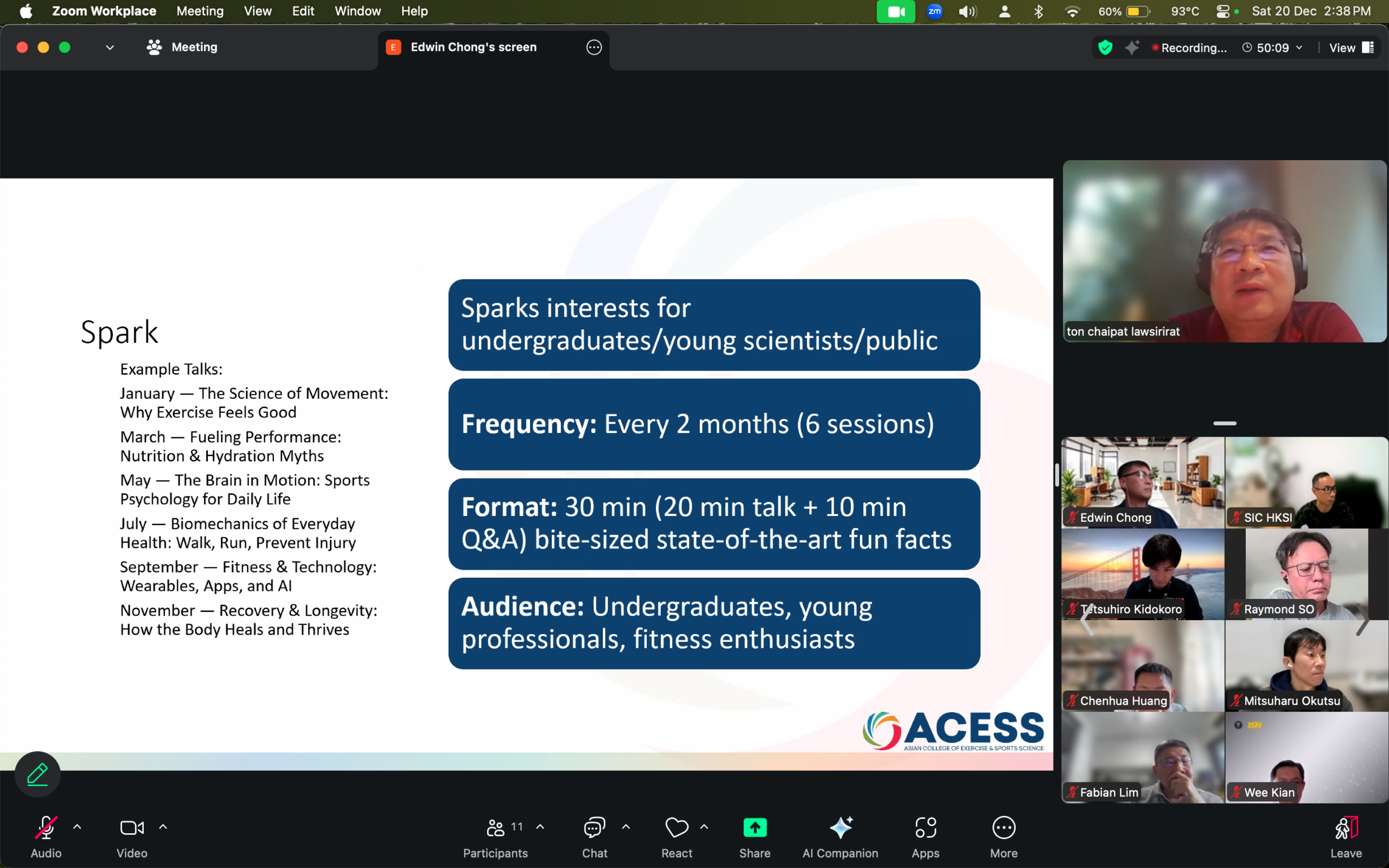
In 2024, ACESS successfully organised monthly seminars to share research developments across Asia with the broader community. The Society aims to reinvigorate this initiative in 2026. Four key focus areas were highlighted to guide future education and forum initiatives. Spark will aim to generate wider interest by covering broader topics and moving to a bi-monthly format. Grow will focus on strengthening graduate networks and supporting early-career development. Connect will establish working groups to advance research collaboration and support multi-country projects led by former committee members. Finally, Recognise will celebrate excellence through awards for young investigators, mentors, and outstanding research, alongside plans for an annual conference.
Financial Review
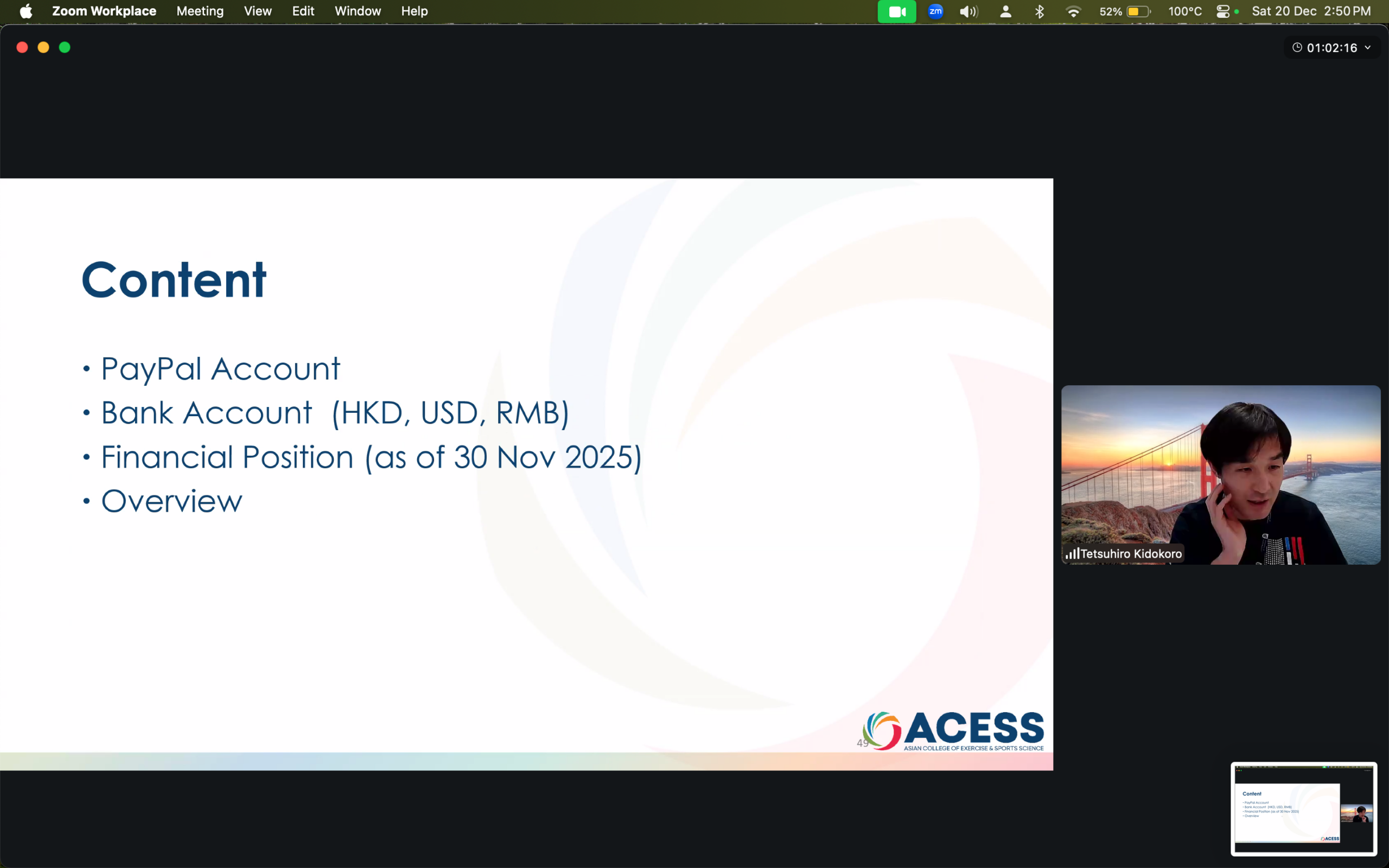
Dr. Tetsuhiro Kidokoro presented the financial status of various accounts, noting steady increases in the PayPal account due to membership subscriptions. Ryoichi inquired about estimating potential expenses for the next year, including the traveling fellowship program and a physical meeting in Guangxi, China, next year.
The Establishment of the China Institute of Health Promotion with Advance Technologies
Dr. Chenhua Huang introduced plans for the proposed China Institute of Health Promotion with Advanced Technologies, outlining the rationale for establishing a new institute dedicated to health promotion. He emphasised a holistic approach that integrates metabolic, structural, and psychosocial pathways, noting that current health services often address these areas in isolation.
The proposed institute aims to develop a comprehensive indicator system, a supporting data platform, and structured course modules. Initial plans include forming a working committee, designing a pilot project, agreeing on standardised protocols, and launching a bilingual platform alongside the first course module.
During the discussion, committee members raised questions around prioritisation, scope, and implementation. It was noted that the institute has yet to be formally established and will depend on adequate university support, with a tentative timeline of February–March 2026. Suggestions from members included appointing an ACESS representative to the core team, clearly defining intended outcomes, leveraging AI and big data capabilities, and exploring existing datasets such as NHANES.
Closing Remarks
Dr. Nagatomi thanked members for their contributions and achievements in 2025. He looked ahead to 2026 and requested concrete action plans for proposals discussed at the AGM to be presented at the next Management Committee meeting, and encouraged members to share ideas for the society’s progress. The meeting also noted the impact of flooding in Indonesia on attendance.